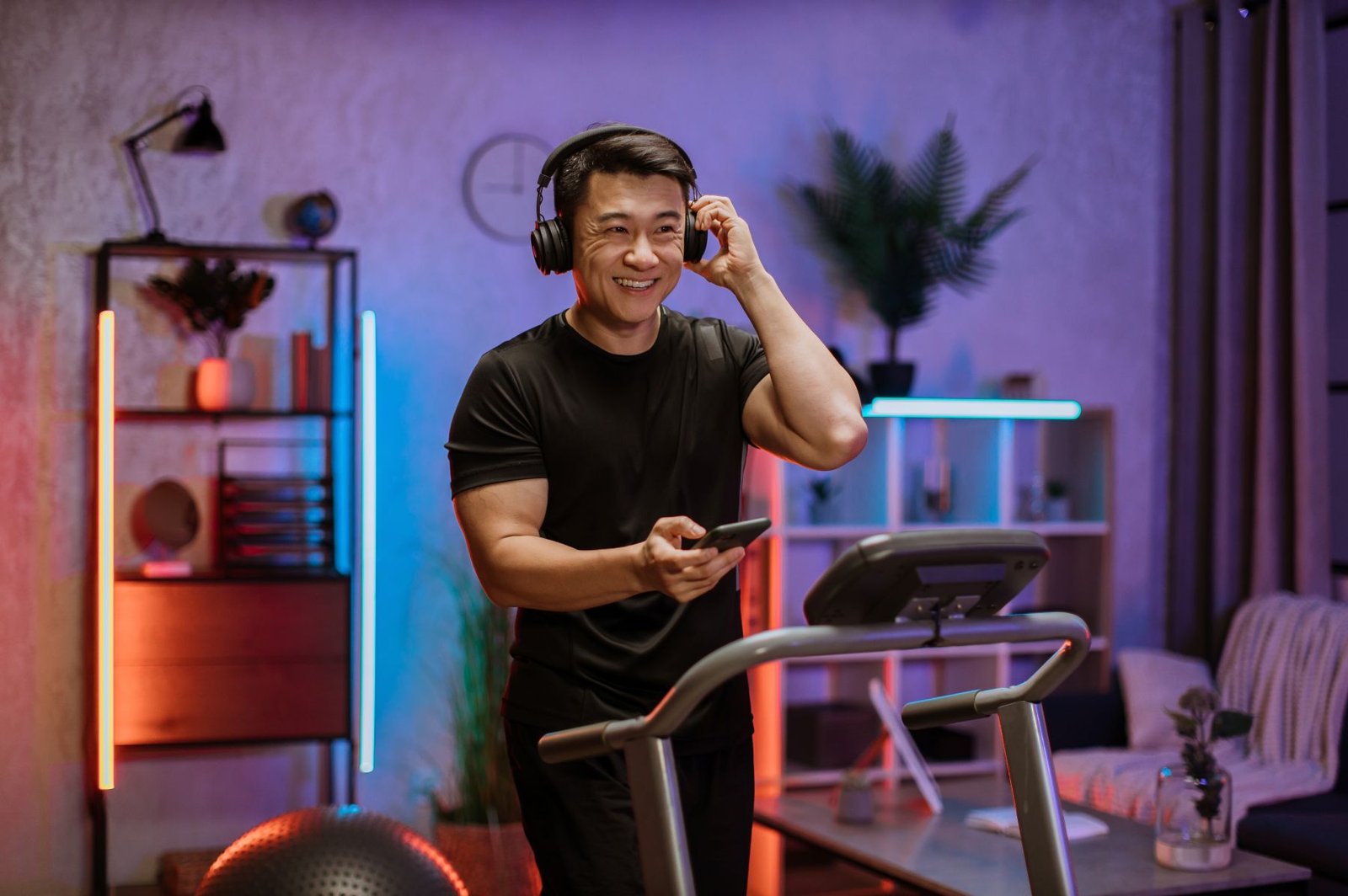
Building a smart home gym doesn’t require investing in commercial fitness equipment. Often, that’s less about gym size and equipment and more about choosing the right environment, equipment, and exercise apps, and upgrading to fiber internet to ensure your network is ready for smart at-home workouts.
Why Smart Home Gyms Are the Future of Family Fitness
Workout DVDs and gimmicky equipment are for yesteryear’s at-home gyms. The modern smart home gym focuses on tech-enabled fitness because it’s flexible, personalized, and highly motivating. A strong digital setup plays a bigger role than many people expect. Streaming services, apps, and real-time coaching all rely on a reliable internet connection. With your tech working quietly in the background, workouts feel less like a chore and more like a natural part of your day.
Choosing the Right Space for Your Smart Gym
You don’t need a separate room for at-home workouts, but you do need a dedicated space. Start by considering how you exercise, and the type of space you’ll need for full-body exercises like squats, lunges, or yoga flows. You don’t want to be bumping into walls or needing to move furniture every time you work out.
Ventilation is an often-overlooked aspect of a home gym. Garages and basements work well as home gym spaces, but only if they have adequate airflow. If not, a fan or minor ventilation upgrade can make a big difference in your comfort and safety. Noise control also matters, especially in shared homes. Rubber flooring or thick mats help reduce sound and protect floors, and reduce injury risk.
Lighting and outlet access are other considerations. Good lighting helps with form and motivation, while accessible outlets support screens, speakers, and smart equipment.
Optimizing Your Tech Setup for Seamless Workouts
The most innovative equipment in the world won’t help much if your workout apps constantly buffer or disconnect. Streaming classes, virtual coaching, and synced fitness apps all depend on a stable internet with enough bandwidth to handle multiple devices. Making sure your network can handle simultaneous streaming, gaming, and video calls prevents frustration during workouts.
Before setting up your gym, run an internet speed test make sure it supports HD streaming. If your gym is in a garage or basement, Wi-Fi signal strength can be a challenge. Wi-Fi extenders or mesh systems eliminate dead zones and provide consistent network coverage.
Designing a Motivating Atmosphere
The feel of your gym is as important as its equipment. You’re less likely to stick to at-home workouts if your space doesn’t motivate you. Sound systems can help create ambiance and boost your energy, whether you need upbeat music for cardio or calming nature sounds for yoga and meditation. Portable Bluetooth speakers are excellent choices for smart home gyms, as they provide precise sound without taking up much space.

Smart lighting adds another element. Look for bright, long-lasting LEDs with customizable features to reflect whether you’re stretching or in Beast Mode. If you use TVs for at-home workouts, place screens at eye level to avoid neck strain. Traditional and smart mirrors can help you check your form while making small spaces feel larger.
Essential Smart Fitness Equipment for Every Budget
Smart home gyms can include a wide range of connected equipment, from high-end rowers and treadmills to online exercise apps. At the higher end of the budgetary scale are large pieces of workout gear, such as:
- The Wahoo Kickr Bike Pro is a top-of-the-line stationary bike with Bluetooth connectivity, virtual gear shifting, and a workout-tracking app.
- The Peloton Tread comes with an HD swivel screen, speakers, in-workout speed and mileage metrics, and an instructor-led app.
- The Tonal 2 is a compact, innovative strength-training system with a wall-mounted display and built-in camera to help analyze your form.
Mid-range equipment for at-home workouts includes adjustable smart dumbbells, connected kettlebells, and resistance systems that use digital weights instead of plates. These are space-efficient and adaptable for multiple users:
More budget-friendly smart equipment includes connected mats, heart-rate monitors, and fitness apps. Resistance bands and basic weights paired with a tablet or TV app can still provide a fully interactive experience.
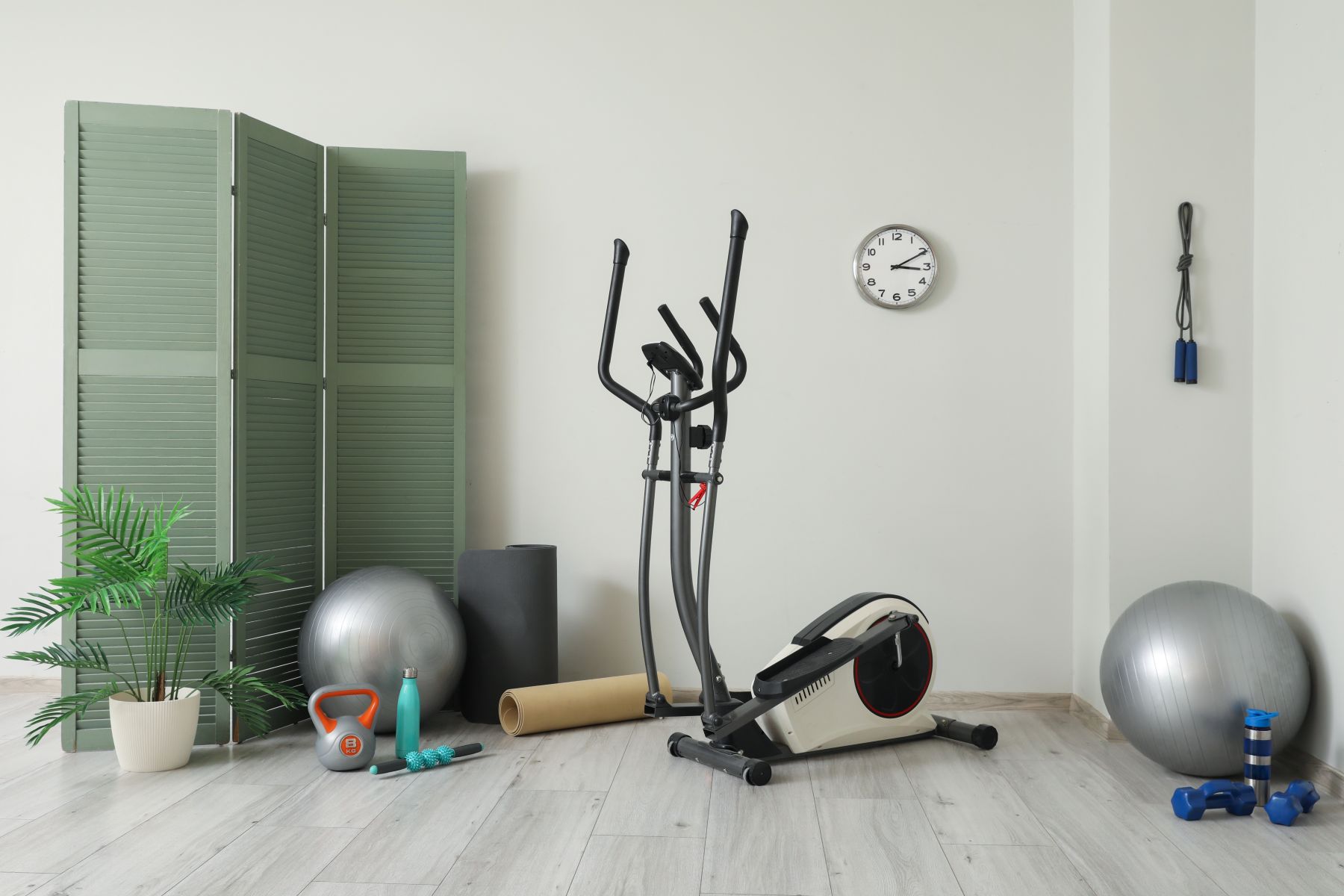
Creating Family-Friendly Fitness Routines at Home
The best smart home gyms accommodate people of different ages and fitness levels. If children will use your home gym, set clear safety rules, especially around heavier equipment or cords. Lockable storage or wall-mounted racks keep gear safely out of reach when not in use. Involving kids can be as simple as short, age-appropriate workouts or step-count challenges. Shared goals, like weekly activity targets, encourage participation without pressure.
A Smart Home Gym Built for Real Life
A little planning, the right space, and some realistic expectations help create usable, inspiring home gyms. When you take these factors into account, you create a space that adapts to your needs. Outside the gym space, choosing high-speed fiber internet provides the reliability you need for uninterrupted workouts that take advantage of the latest online exercise technology.
When fitness fits into real life instead of fighting it, consistency follows. And that’s what turns a smart home gym into a lasting habit, not just another unused room.
