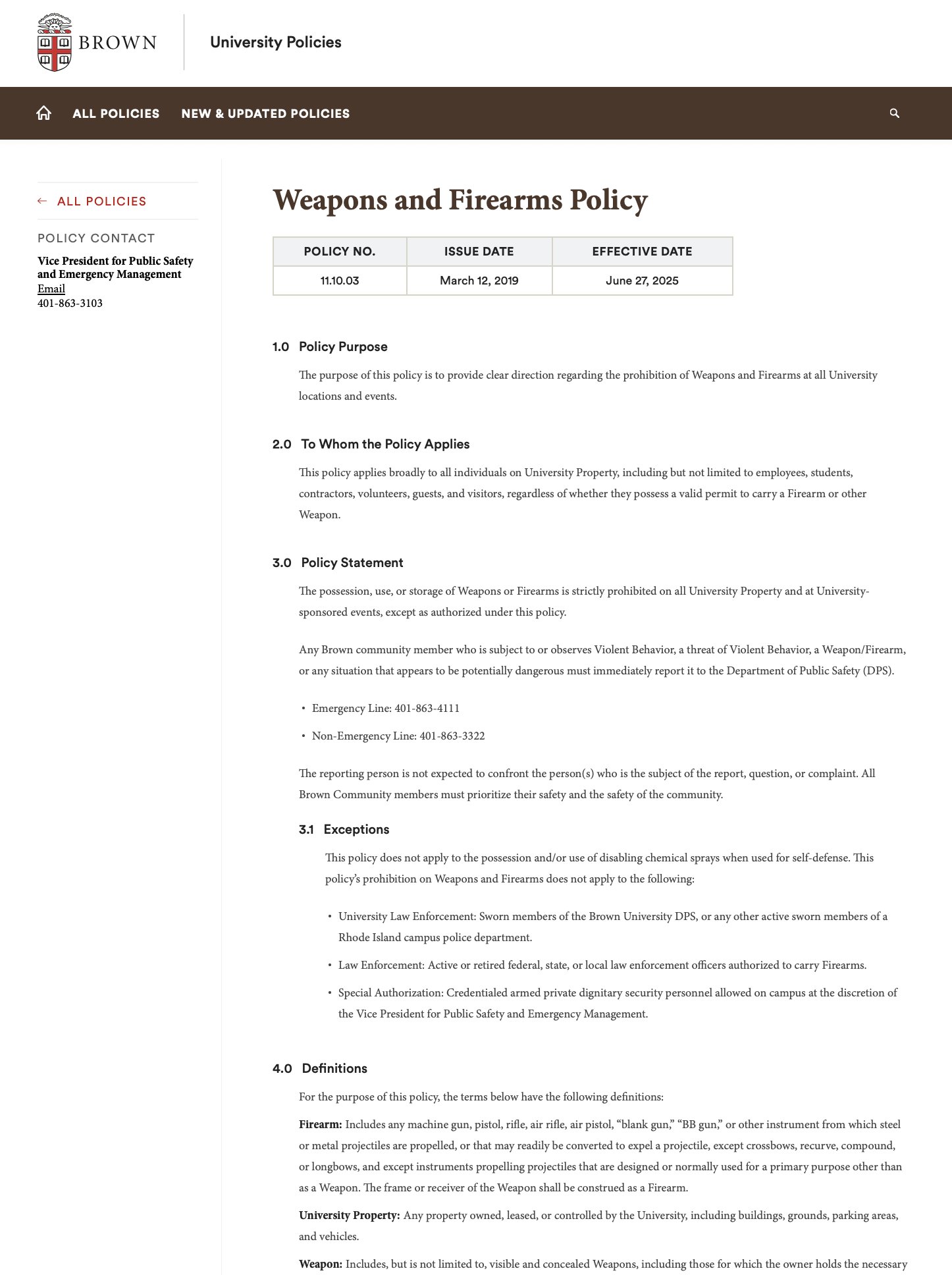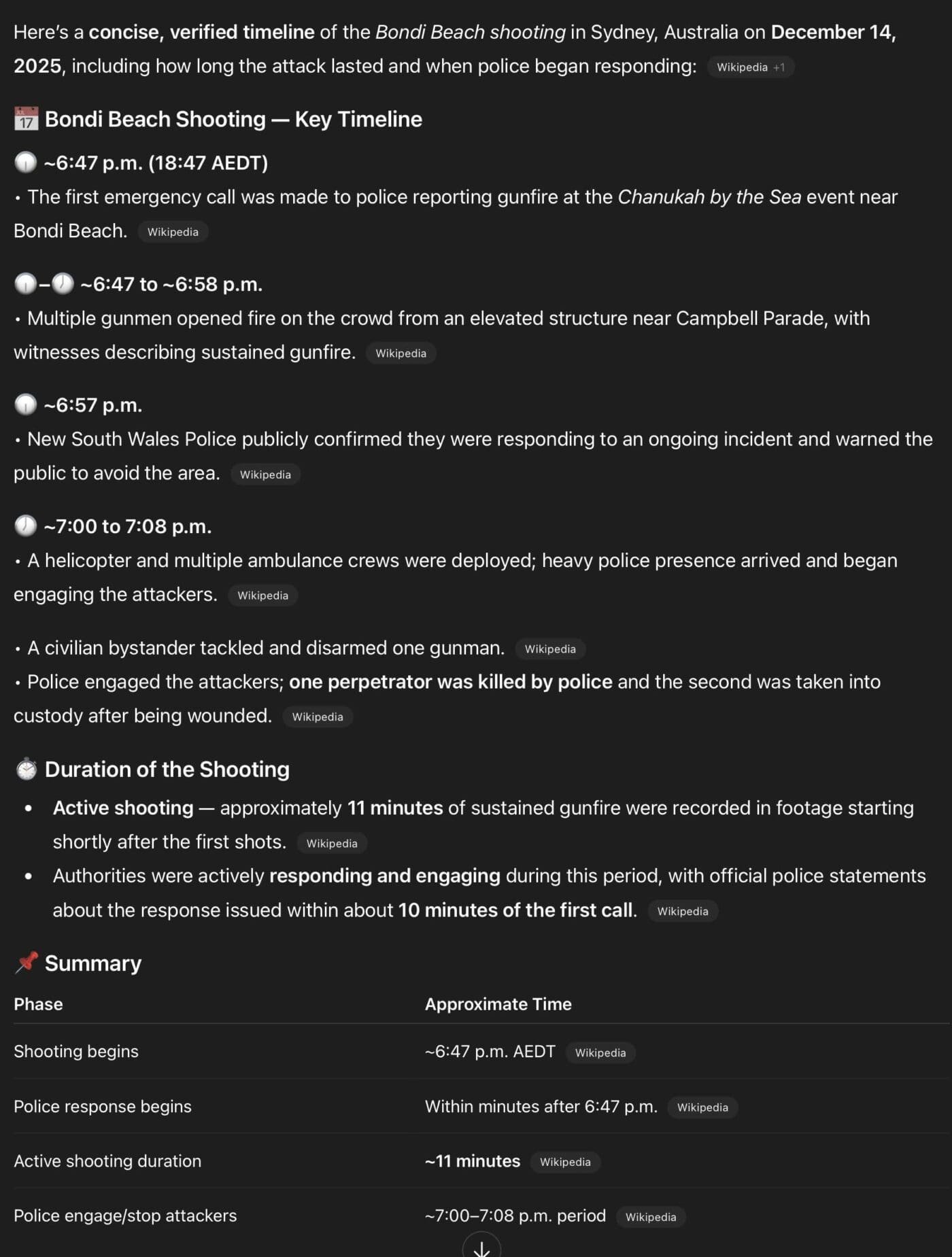
Yesterday we saw mass shootings in Australia where 15 were murdered and at Brown University where two were murdered. Both occurred in places with strict gun control (the rules for Brown are available here).
The problem is that uniformed law enforcement have an extremely difficult time stopping these attacks. If a shooter sees an officer in uniform, they can wait for the officer to leave before they attack or move to another target. If they do attack there, the first person they will shoot is the officer. The problem is that gun-free zones are a magnet for mass public shootings. In the US, Civilians with concealed handguns stop these attacks more frequently, and they stop them more successfully in places they are allowed to carry.
Note the worst mass public shooting in Western Europe and the US was in Paris in late 2015, where Islamic terrorists murdered 130 people at a concert.
We have previously written about the failure of Australia’s gun control laws here and provided testimony to the Australia federal senate here (and Dr. Lott’s testimony made it into the Senate Committee’s final report available here).
Brown University not only banned guns, but Rhode Island has among the STRICTEST gun control in the United States (AWB, Large capacity mag ban, Red Flag, etc), with it getting an “A-” from the Gifford gun control organization. The states that surround Rhode Island (Connecticut and Massachusetts) have “A” ratings for their gun control regulations.