The gospel of affordability is not bold enough to convince voters that the Democrats care about them. To build a lasting majority, Democrats must embrace populism.
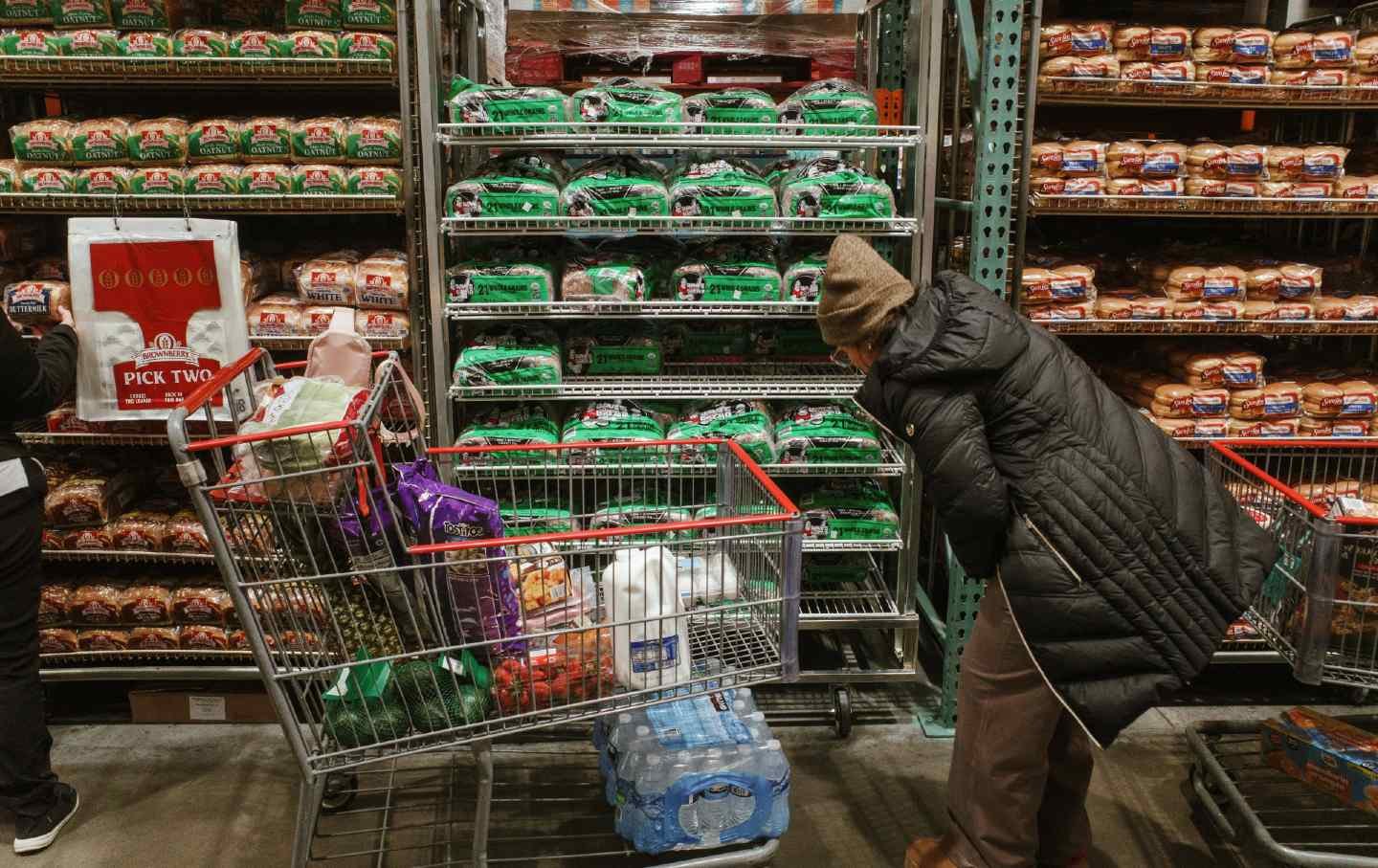
Shoppers browse the bread aisle at a grocery store on January 23, 2026, in Lenexa, Kansas. Bread prices have increased by more than a third since January 2020.
(Chase Castor / Getty Images)
Ahead of the 2026 midterm elections, Democrats are preaching the affordability gospel. Leaders across the party—from New York City Mayor Zohran Mamdani to centrist Blue Dogs like Abigail Spanberger in Virginia—have embraced affordability. Democratic Representatives Mike Thompson (CA-04) and Richard E. Neal (MA-01) even introduced a bill called the American Affordability Act, which promises to reduce housing, educational, and childcare costs with a variety of tax credits. Congressional campaign professionals have been urging candidates from coast to coast to adopt an “affordability agenda.” And—for good reason—recent polling shows that the cost of living tops the list of voters’ concerns.
In some ways this represents a step forward for the Democrats. It gives the party a unifying, positive, economic message to hammer against a GOP that seems increasingly aloof to the cost-of-living crisis. It’s a much better message than the doom-and-gloom democracy-mongering that dominated Kamala Harris’s message toward the end of her 2024 campaign. Plus, the “affordability agenda” allows liberals to concede that there is something wrong with the economy without committing them to the barn-burning rhetoric or egalitarian policies that make donors nervous.
Current Issue
That said, the politics of “affordability” are trickier than the word might suggest.
First, affordability-washing can’t make up for bad social and cultural politics. Consider Aftyn Behn, the progressive candidate for Tennessee’s 7th Congressional District. Behn was a homer for the affordability agenda—her slogan was “Feed kids, fix roads, fund hospitals.” Not bad. Yet her opponents tied her campaign to her past calls to “abolish” and “defund” the police. And though she dialed down her criticisms of the police, Behn refused to change her mind about these issues. That hurt her ability to reach working-class voters outside of wealthy Nashville. The lesson from Behn’s campaign is that affordability-maxxing can’t hide bad positions.
Second, making America affordable is much easier said than done. Remember, Trump promised to bring costs down in the face of record inflation. He failed. The annual rate of inflation is now at 3 percent, exactly where it was a year ago when Trump took office. As a result, Democrats have another bite at the apple. Yet many liberals seem to think that all they need to do to deliver on the affordability agenda is to scrap Trump’s tariffs, cut some regulation, and throw in a few new tax credits. This won’t work. For one thing, voter frustrations about grocery bills, utility prices, and housing costs have almost nothing to do with Trump’s trade policies—we don’t get our eggs from China, and while tariffs may have some negative effect on homebuilding, most of the barriers to building new units are homegrown.
Alternatively, abundance-brand Democrats will suggest that the key to unlocking affordability is to stimulate economic growth by cutting regulatory burdens. Recent GDP figures should trouble this theory. Economic growth “surged” in the third quarter last year. GDP actually grew at 4.3 percent. That’s big in our era of globally low growth rates. And yet we hardly felt it.
For most working people, economy-wide growth no longer translates to a new car or a nice vacation. A red-hot stock market seems to have no real effect on the lives of the average working family. That’s not surprising, as the wealthy now control a record share of stocks: More than half of all stock market shares are owned by the top 1 percent of families; the richest 1 percent own around $25 trillion in stock market wealth, while the bottom 50 percent of households own less than a half trillion between them. Meanwhile last year, average wage increases barely kept pace with inflation. And the real story is actually worse, because, according to Bank of America’s deposit records, middle-income families benefited from only a 2.3 percent wage increase, which means they’re underwater against a 2.7 percent rate of inflation. As our “K-shaped” economy produces more wealth for the rich and less prosperity for the rest, growth alone can’t deliver the goods.
Achieving affordability in the medium term is still possible. While economy-wide decreases in prices are unheard of outside of a recession, some basic household costs can be curbed. Utility prices, which have risen faster than general inflation, could be reduced by regulation and big investments in the power grid. Not surprisingly, Trump and a number of Democratic Party governors, including 2028 presidential hopeful Josh Shapiro, have embraced moves to force tech giants to pay for surging costs. And for the low end of the labor market, Democrats have revived the ever-popular idea of gradually increasing the minimum wage alongside promises to reduce drug prices.
But even these moves may not be enough to really change the picture. And that brings us to the real problem for Democrats: Affordability just isn’t big enough. Voters think something is seriously wrong with the economy, and they are right. Bloodless calls for negotiating down prescription drugs may not be visceral enough to convince them that the Democrats are taking their concerns seriously.
The truth is that affordability talk too often serves as a way to avoid populism and return to tepid calls for cautious centrism. Governor Spanberger, for instance, cited affordability as one reason she refused to overturn anti-union “right to work” legislation. While Nevada Senator Jacky Rosen’s affordability pitch centered around her cosponsorship of “no taxes on tips” legislation. For many Democrats, affordability is achieved through modest tax refunds and expanded credits that won’t ruffle the feathers of corporate donors. But nibbling around the edges of the tax code won’t be enough to quell what is shaping up to be a storm of economic anger.
Even many Democratic pollsters have started to realize this. It’s one reason Clinton campaign veteran and centrist guru James Carville leaped right over the affordability agenda to call for the Democratic Party to “run on the most populist economic platform since the Great Depression…. a sweeping, aggressive, unvarnished, unapologetic and altogether unmistakable platform of pure economic rage.”
Popular
“swipe left below to view more authors”Swipe →
American families are getting squeezed a lot harder than many macroeconomic indications might suggest. Since 2013 or so, economists have recognized a global “savings glut,” low growth rates, a decreased wage share, and extraordinary, accelerating inequality. No less an expert on this “secular stagnation” is one of its chief architects: Larry Summers. He along with the rest of America’s financial and commercial elite pushed hard to fling open trade barriers and deregulate the economy in the name of growth.
They got what they wanted, and what followed was that “giant sucking sound” of good jobs draining out of the United States, the continued collapse of the trade-union movement, the spread of low-wage work, the recurrence of mass layoffs, and the profound instability that now characterize the US economy. For a while, cheap goods from abroad (first from Japan, then Korea, and now China) were a sop for the downward pressure on wages that workers experienced. Not anymore. A generation of suppressed wages has meant an across-the-board slump in demand, which, in turn, has resulted in excess capacity and a dearth of productive investment. Nowadays, Summers, almost incredibly, complains that workers have too little economic power. Go figure.
Globalism and rule-by-bankers created an economic paradox that has yet to be resolved. Hollowing out US industry robbed the economy of mass purchasing power—the economic engine of US growth. It also closed off productive and profitable outlets for investment. Today’s American aristocracy choose to save their money or else invest it in the make-believe economy (AI, crypto etc.), because investing in the kinds of enterprises that produce large numbers of high-wage jobs just isn’t as profitable.
Fixing this means restructuring the economy away from the idle rich, rewarding workers with just wages, and restoring some sense of economic sovereignty. Note that this is a populist story—a story about elites, about globalization, and about Big Tech and high finance wrecking the wages of US workers. It’s populism, not affordability, that provides the best path out of the wilderness for the left.
To pull the economy down and away from global markets, high finance, and central bankers and to put control back into the hands of the citizens, Democrats need to be willing to confront Wall Street and Silicon Valley, tax their wealth, and curb their influence over public policy. The kinds of policies that would change the game for American workers—like providing free, or nearly free, childcare and healthcare, reshoring manufacturing, big investments in infrastructure, expansions of public service jobs, and ending mass layoffs—go far beyond the modest aims proposed in the amorphous affordability agenda. And winning these things would require picking fights with some of the richest and most powerful people and industries in the country.
In other words, the only way to really deliver on the promise of affordability is to go far beyond what proponents suggest. The only way to win affordability is to embrace populism.
More from The Nation
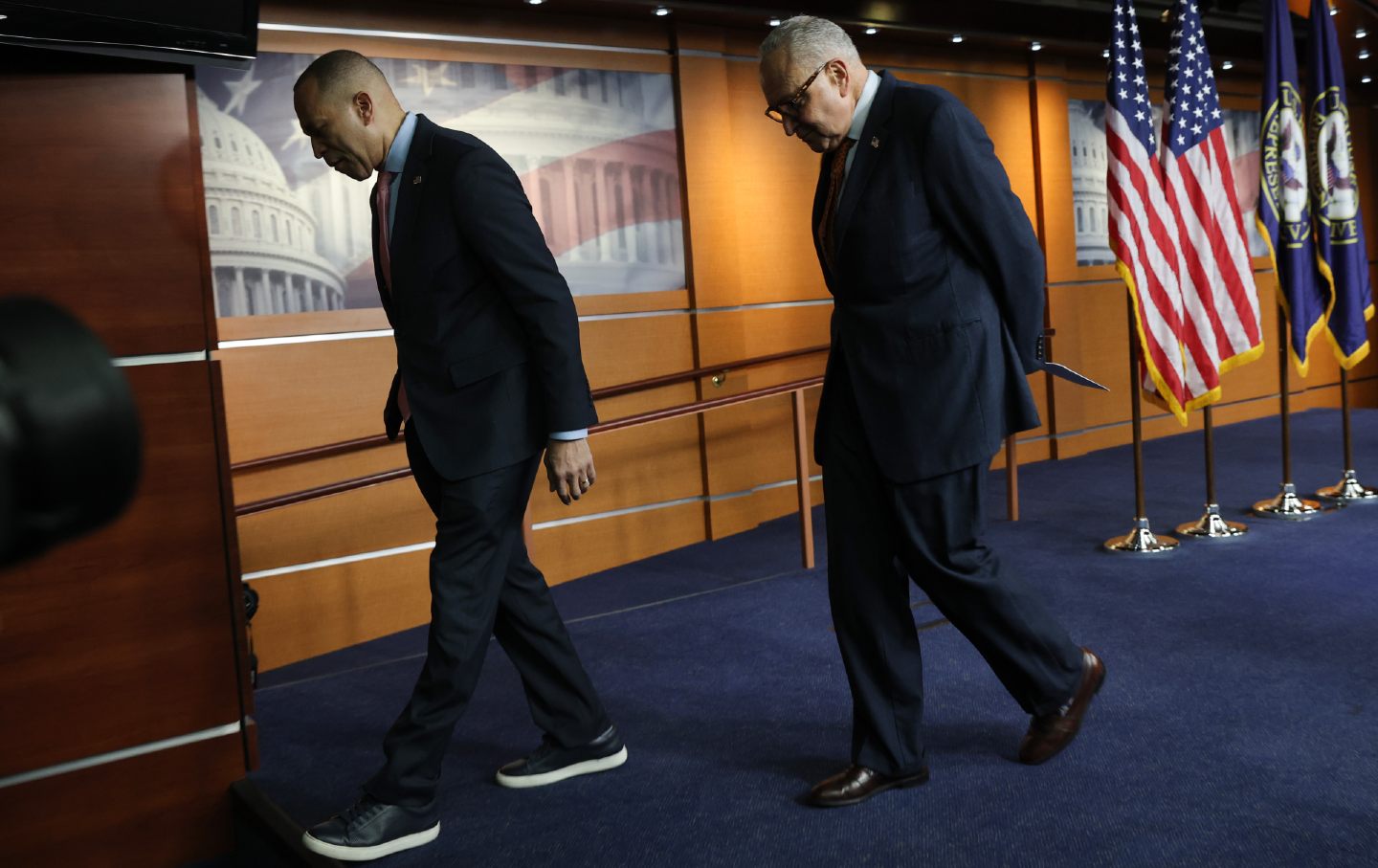
After the murder of Alex Pretti by federal agents, the least national Democrats can do is dismantle ICE.
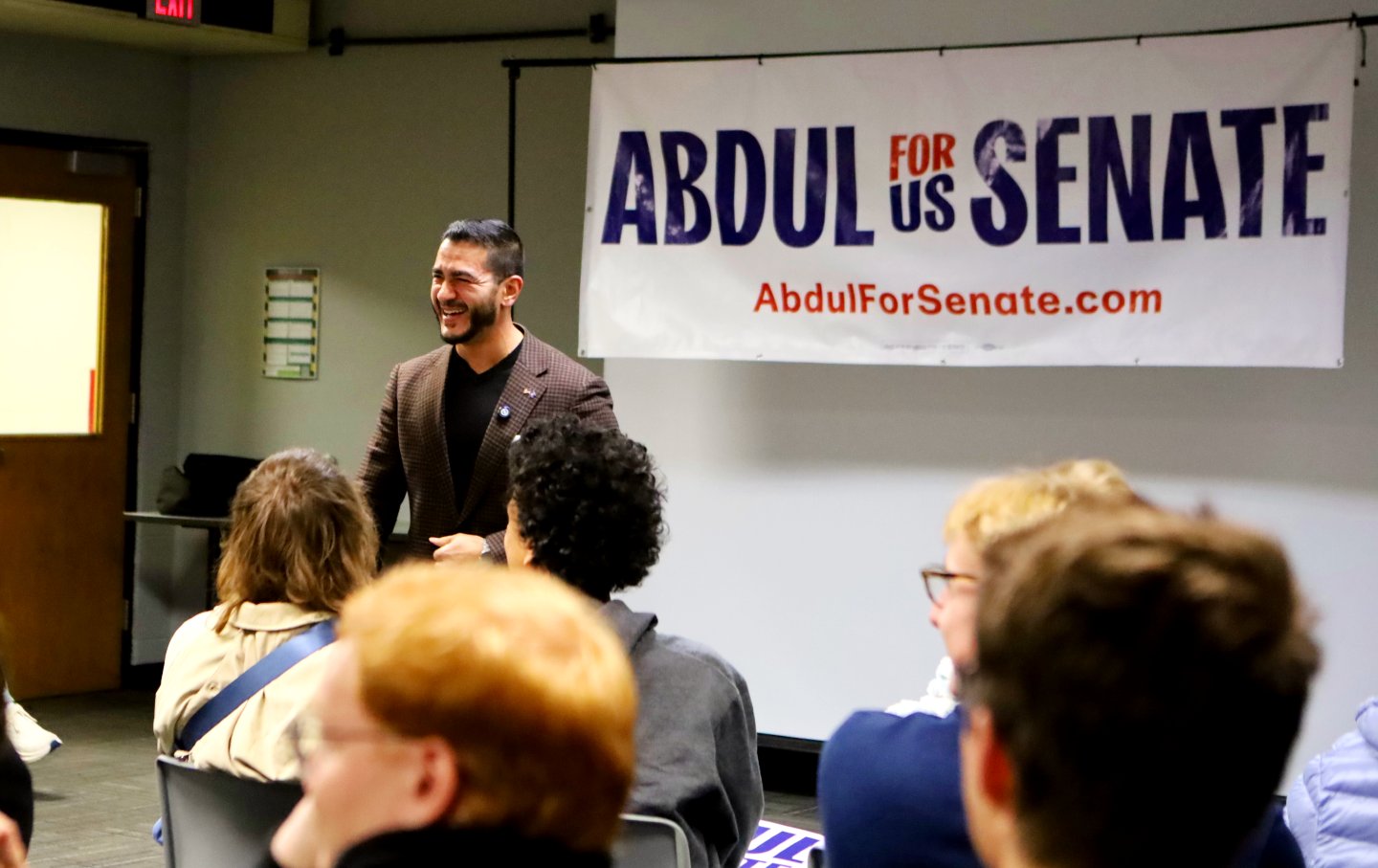
As the Democratic Party debates its identity, this progressive primary candidate and doctor is primed for a breakout moment in the race for Michigan’s Senate seat.
If we want abundance we have to ask, an abundance of what exactly, and produced under what economic logic?

In this week’s Elie V. US, our justice correspondent explores the fecklessness of the Democratic Party, MAGA racism, and fighting despite unwinnable odds.
