Monday, June 16, 2025

Amidst escalating tensions in the Middle East, particularly the ongoing conflict between Israel and Iran, travellers have been left wondering about the safety of their holiday plans in the region. With airspaces closed, flights cancelled, and multiple countries facing travel advisories, many tourists are turning to the UK Foreign Office for guidance on whether it is safe to travel to popular destinations like Turkey.
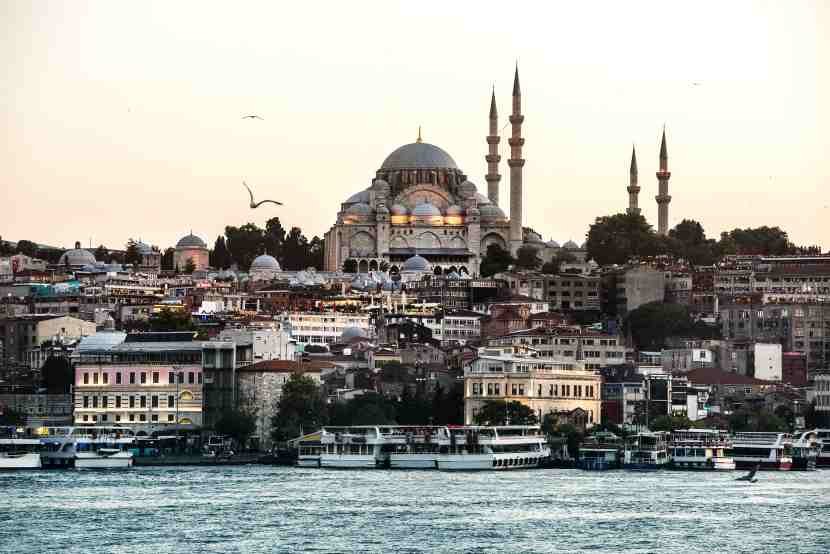
While many countries in the Middle East are experiencing significant unrest, including closures of airspaces and heightened security alerts, the UK Foreign Office has yet to advise against travel to Turkey, one of the most popular tourist destinations for UK citizens. With over 4.43 million visits from British tourists in 2024, Turkey continues to attract travellers to its beautiful beaches, ancient cities, and rich cultural heritage. Cities like Istanbul, Bodrum, and Marmaris remain highly sought after by holidaymakers, despite the broader geopolitical concerns.
What Does the UK Foreign Office Say About Travel to Turkey?
As of today, the UK Foreign Office has not issued a travel ban or advisory against visiting Turkey, and the country remains one of the safest and most welcoming destinations for international tourists. However, it is important to note that while the conflict between Israel and Iran has not directly impacted Turkey, the UK Foreign Office has long advised against travel within 10km of the border with Syria due to security concerns related to nearby military operations and border conflicts.
The Ministry of Foreign Affairs in the UK continues to monitor the situation closely, and travellers are encouraged to follow the latest updates. However, the Foreign Office maintains that most areas of Turkey, including popular tourist spots, remain safe and tourist-friendly.
Travel Concerns in Light of Regional Unrest
While the situation between Israel and Iran continues to escalate, the effects on neighbouring countries, including Jordan, Dubai, and Turkey, have led to some uncertainties about travel safety in the region. In Jordan, airspace was briefly closed, and travellers have been urged to be vigilant and follow local safety instructions.
Although some tourists have expressed concern about potential spillover from the conflict, Jordan and the UAE have not seen major disruptions, and the UK Foreign Office has advised that both countries remain open for travel, with some warnings in place for specific border areas. The Foreign Office suggests that all travellers monitor local news and follow the instructions of local authorities, particularly in case of air raid sirens or sudden closures of airspace.
The Impact of the Recent Hot Air Balloon Accident in Turkey
Turkey has also made headlines recently, but not due to geopolitical tensions. The country was shaken by a tragic accident involving two hot air balloons filled with tourists in the famous Cappadocia region. The incident, which resulted in one fatality and several injuries, prompted immediate attention and concern. However, it is essential to note that the incident was isolated, and hot air balloon tourism remains a popular activity in Cappadocia. The UK Foreign Office has not updated its guidance for travel to Turkey, as the event is being treated as an isolated incident, and safety measures are being reviewed by local authorities.
While tragic, this accident does not alter the overall safety situation in Turkey, as the country continues to attract millions of tourists each year to its cultural landmarks and natural beauty.
Can You Claim a Refund if You Decide Not to Travel?
For those considering cancelling their trips to Turkey due to the broader concerns about regional instability, the UK Foreign Office has not issued a blanket warning or advisory against travel to the country. As a result, travel insurance providers are unlikely to cover cancellations based on safety concerns unless there is a formal travel warning issued for the specific destination.
The Foreign Office advises that if you choose to cancel your trip to Turkey without an official advisory, you may face penalties or loss of payment, as airlines and hotels are not obligated to offer refunds for trips that are not officially cancelled by governments. It is recommended that travellers contact their airline and travel insurance providers for further guidance.
Looking Ahead: The Future of Travel to Turkey
As tensions in the region evolve, travellers should stay informed through official channels, adhere to local advisories, and monitor any changes in the safety landscape. The UK government’s stance on Turkey has remained positive, with the country’s major cities and tourist destinations continuing to operate as usual. Turkey’s thriving tourism industry, coupled with its welcoming atmosphere and rich cultural heritage, is expected to remain a strong draw for international visitors.
Conclusion: Turkey Remains Open for Travel Amid Regional Tensions
Turkey continues to be one of the safest and most appealing travel destinations in the region, despite ongoing unrest in neighbouring countries. The UK Foreign Office’s updated advice stresses that most areas of Turkey are safe for tourists, with the exception of the border regions with Syria. While other countries in the region may see heightened security measures or temporary disruptions, Turkey remains a prominent destination for those seeking a cultural escape and exploring the country’s unique landscapes and history.
As global tourism recovers from the pandemic, Turkey is poised to remain a key player in the industry, and its open borders and tourist-friendly policies will continue to make it an attractive destination for travellers from around the world.
(Source: UK Foreign Office, Turkish Ministry of Culture and Tourism, Jordan Ministry of Tourism and Antiquities.Tools)
Tags: Amman, global tourism, Istanbul, london, Mecca, Middle East, Middle East conflict, Middle East Tourism, travel to Turkey, Turkey, Turkey safety update, Turkey travel safety, Uk Travel Advisory, United Kingdom

